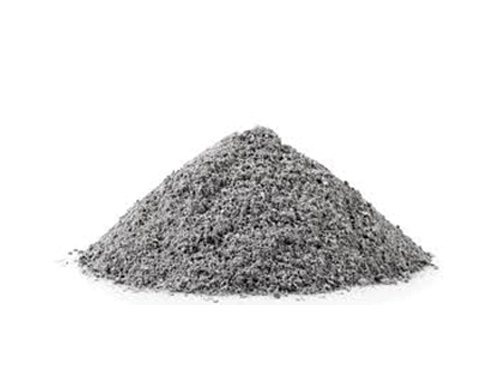
Castable Refractory – High-Performance Monolithic Linings
Castable refractory is an unshaped refractory material that can be mixed with water and cast into virtually any form. It is widely used in furnaces, kilns, incinerators, and other high-temperature industrial units due to its thermal performance, mechanical strength, and adaptability.
- Categories:
- Tags:
Consumbles|
Key Properties of Castable Refractory
1. High-Temperature Resistance: Withstands temperatures up to 1,800°C.
2. Cold Crushing Strength (CCS): Ensures durability under mechanical stress.
3. Thermal Conductivity: Optimized for heat retention and insulation.
4. Chemical Resistance: Protects against slag, molten metal, and corrosive gases.
5. Thermal Shock Resistance: Prevents cracking due to rapid temperature fluctuations.
Types of Castable Refractories
Conventional Castables: High-alumina, fireclay-based materials for general repairs.
Low Cement Castables (LCC): Improved strength and thermal shock resistance.
Self-Flow Castables: Ideal for complex shapes and hard-to-reach areas.
Insulating Castables: Lightweight materials for thermal insulation.
Applications of Castable Refractory
Furnace Linings: Restoring worn-out refractory walls and floors.
Tundish & Ladle Repairs: Preventing metal penetration and slag erosion.
Boiler Maintenance: Sealing cracks and improving thermal efficiency.
Rotary Kiln Patching: Repairing damaged sections without full relining.