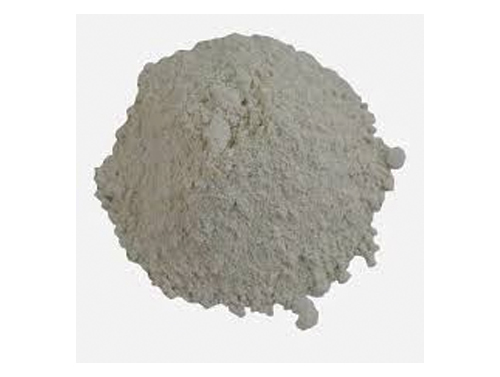
Casting Powder in Continuous Casting
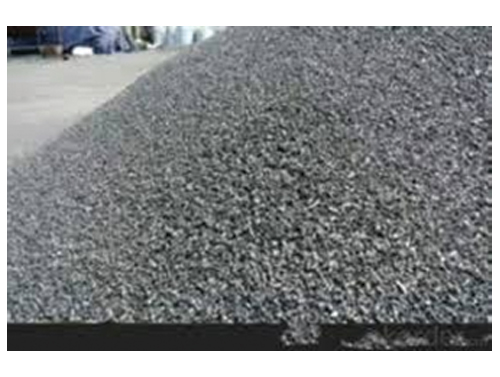
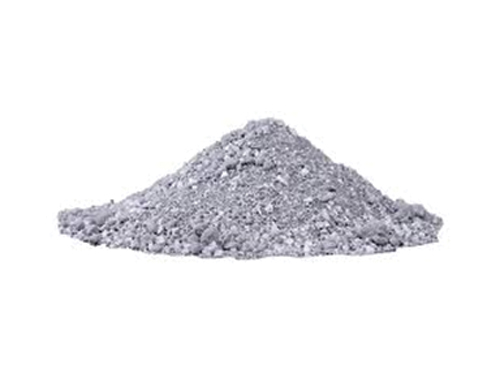
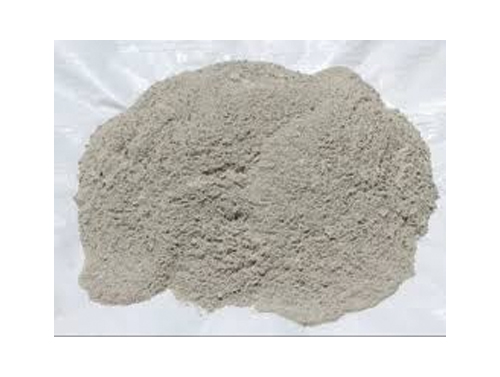
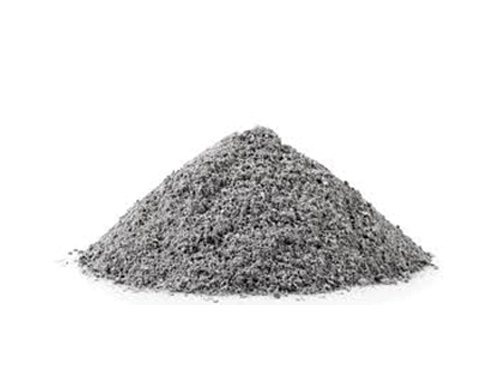
Casting powder, also known as mold flux, is a finely powdered refractory material used in continuous casting to improve lubrication, heat transfer, and surface quality of molten metal. It forms a protective slag layer that prevents oxidation and ensures smooth solidification.
- Categories:
- Tags:
Consumbles|
Key Properties of Casting Powder
1. Material Composition: Contains silica, alumina, calcium oxide, magnesium oxide, and carbon.
2. Density: Typically 0.6–1.2 g/cm³, ensuring uniform slag formation.
3. Thermal Conductivity: Optimized for controlled heat transfer between mold and metal.
4. Softening Point: 1,070°C, allowing gradual melting and slag formation.
5. Melting Point: 1,140°C, ensuring effective lubrication and protection.
Functions of Casting Powder
Lubrication: Reduces friction between mold and solidifying metal.
Oxidation Prevention: Forms a protective layer over molten steel.
Heat Transfer Regulation: Controls cooling rate for uniform solidification.
Inclusion Removal: Captures impurities and prevents defects.
Applications of Casting Powder
Steel Industry: Used in billet, bloom, and slab casting.
Non-Ferrous Metals: Applied in aluminum and copper casting.
Foundries: Enhances surface finish and casting efficiency.