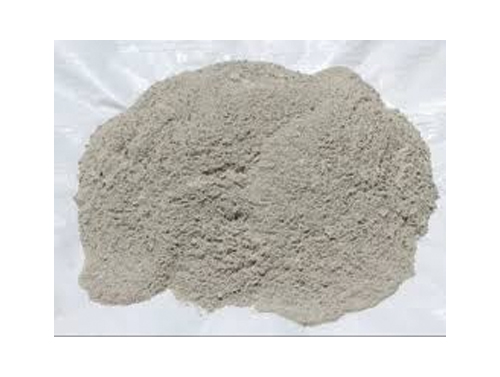
Refractory Mortar – High-Temperature Bonding Material
Refractory mortar is a heat-resistant bonding material used for joining refractory bricks in furnaces, kilns, and industrial high-temperature applications. It ensures structural integrity, thermal insulation, and chemical resistance, making it essential for brickwork in steel, cement, and glass industries.
- Categories:
- Tags:
Consumbles|
Key Properties of Refractory Mortar
1. High-Temperature Resistance: Withstands temperatures up to 1,800°C.
2. Bonding Strength: Ensures durable adhesion between refractory bricks.
3. Chemical Resistance: Protects against slag, molten metal, and corrosive gases.
4. Thermal Shock Resistance: Prevents cracking due to rapid temperature fluctuations.
5. Setting Mechanism: Available in air-setting, heat-setting, and hydraulic-setting formulations.
Types of Refractory Mortars
Air-Setting Mortar: Cures upon exposure to air, ideal for quick installations.
Heat-Setting Mortar: Requires high temperatures to achieve full bonding strength.
Hydraulic-Setting Mortar: Sets with water, suitable for fluctuating temperature environments.
Applications of Refractory Mortar
Furnace Linings: Used for brick bonding in high-temperature environments.
Kiln Construction: Ensures stability in ceramic and cement kilns.
Steel Industry: Used in ladles, tundishes, and converters.
Glass Manufacturing: Provides thermal insulation in melting furnaces.