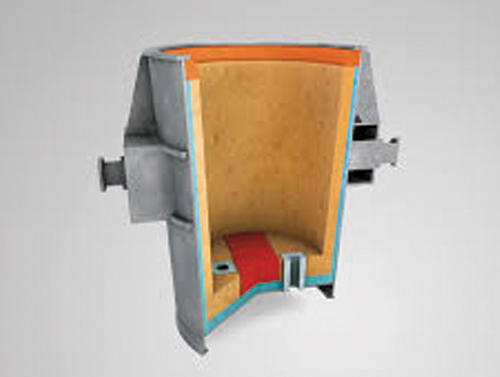
Ladles
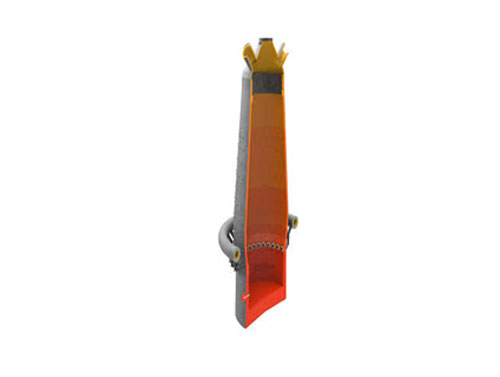
Ladles are critical vessels in steelmaking, used for transporting and refining molten metal. They operate under extreme temperatures (1,500–1,700°C) and are exposed to chemical corrosion, thermal shock, and mechanical wear, requiring high-performance refractory linings to ensure durability and efficiency.
- Categories:
Ladle Refractory Lining Structure
A ladle typically consists of three refractory layers:
Insulation Layer: Reduces heat loss (10–15mm thick, asbestos boards).
Permanent Layer: Provides structural support (30–60mm thick, clay or high-alumina bricks).
Working Layer: Directly exposed to molten steel and slag (magnesia-carbon bricks, alumina-carbon bricks).
Types of Refractories Used in Ladles
Magnesia-Carbon Bricks: High corrosion resistance, used in slag zones.
Alumina-Magnesia Castables: Excellent thermal stability, used in sidewalls.
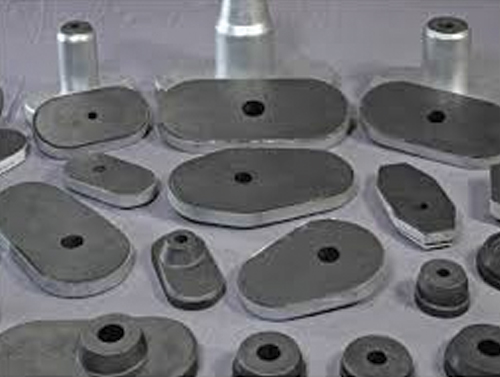
Graphite-Based Refractories: Used in impact pads for shock absorption.
Specialty Refractories
Types: Graphite crucibles, Silicon carbide products, Zirconia refractories
Composition: Carbon (80-99%), Silicon carbide (70-90%), Zirconium oxide (ZrO₂)
Thermal Shock Resistance: Excellent
Maximum Operating Temperature: Up to 2,000°C
Applications: Foundries, metal casting, glass industries, aerospace
Key Functions of Ladle Refractories
1. Thermal Insulation: Prevent heat loss and maintain molten steel temperature.
2. Chemical Resistance: Protect against slag and metal corrosion.
3. Mechanical Strength: Withstand impact and abrasion from molten steel.
4. Thermal Shock Resistance: Prevent cracking due to rapid temperature fluctuations.