Heating Furnaces
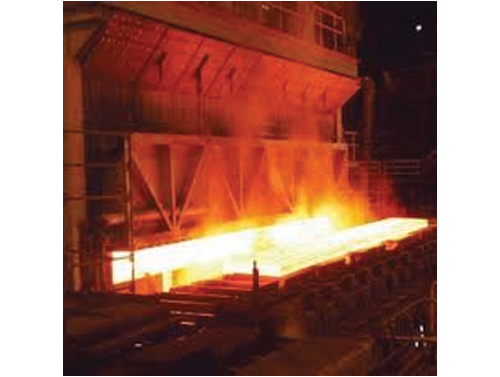
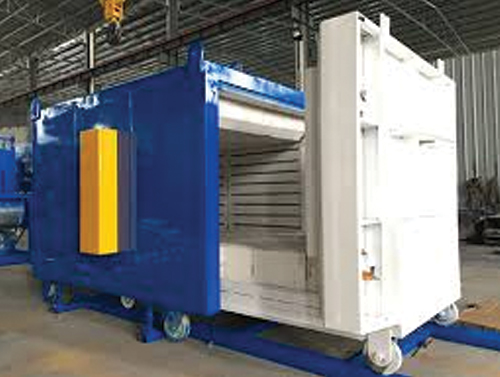
Heating furnaces are essential industrial equipment used for heat treatment, forging, and metal processing. They operate at high temperatures (800–1,300°C) and require specialized refractory materials to ensure thermal efficiency, durability, and resistance to mechanical and chemical wear.
- Categories:
Key Functions of Refractories in Heating Furnaces
1. Thermal Insulation: Minimize heat loss and improve energy efficiency.
2. Abrasion Resistance: Withstand mechanical wear from heated materials.
3. Chemical Stability: Resist corrosion from combustion gases and slag.
4. Thermal Shock Resistance: Prevent cracking due to rapid temperature fluctuations.
Refractory Zones in Heating Furnaces
Each section of the furnace requires specific refractory materials based on operational conditions:
1. Hearth & Bottom
Material: High-alumina brick
Function: Support heated materials and resist slag penetration.
2. Sidewalls & Roof
Material: Ceramic fiber modules, Insulating castables
Function: Provide thermal insulation and reduce heat loss.
3. Burner Blocks & Doors
Material: Silicon carbide refractories, High-strength castables
Function: Withstand direct flame exposure and thermal cycling.