Reheating Furnaces
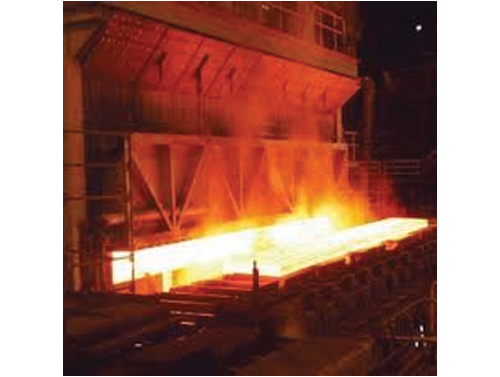
Reheating furnaces are critical components in steel mills, used to heat semi-finished steel products (billets, blooms, slabs) to 1,100–1,250°C before rolling. These furnaces operate under high thermal loads, mechanical stress, and chemical exposure, requiring specialized refractory materials to ensure efficiency and longevity.
- Categories:
Key Functions of Refractories in Reheating Furnaces
1. Thermal Insulation: Minimize heat loss and improve energy efficiency.
2. Abrasion Resistance: Withstand mechanical wear from steel movement.
3. Chemical Stability: Resist corrosion from combustion gases and slag.
4. Thermal Shock Resistance: Prevent cracking due to rapid temperature fluctuations.
Refractory Zones in a Reheating Furnace
Each section of the furnace requires specific refractory materials based on operational conditions:
1. Hearth & Bottom
Material: High-alumina bricks, Magnesia-based castables
1. Thermal Insulation: Minimize heat loss and improve energy efficiency.
2. Abrasion Resistance: Withstand mechanical wear from steel movement.
3. Chemical Stability: Resist corrosion from combustion gases and slag.
4. Thermal Shock Resistance: Prevent cracking due to rapid temperature fluctuations.
Refractory Zones in a Reheating Furnace
Each section of the furnace requires specific refractory materials based on operational conditions:
1. Hearth & Bottom
Material: High-alumina bricks, Magnesia-based castables